

Lighting
Better lighting for better spaces
Lighting shapes how a commercial space feels and performs. It affects productivity, customer experience, safety, and operating costs. The right lighting system should be comfortable, consistent, and easy to control while supporting energy efficiency and the day-to-day realities of running a business.
We design and deliver commercial lighting solutions, including lighting control, intelligent scheduling, and energy-focused strategies for offices, retail, hospitality, education, and public venues.
What we deliver
Every site is different, so we tailor solutions around space usage, operating hours, and the desired experience.
Smart lighting control
Scene-based lighting for meeting rooms, reception, and common areas
Scheduled lighting based on business hours and cleaning routines
Centralised and local control via keypads, touch panels, or approved apps
Simple “modes” such as Open, Closed, After Hours, Event
Sensors and automation
Occupancy and vacancy sensing for offices, bathrooms, corridors, and back-of-house
Daylight harvesting, where appropriate, to reduce energy use
Automated pathways and safety lighting behaviours (project dependent)
Lighting upgrades and efficiency
Lighting refresh and control upgrades to modern standards
Strategies to reduce waste and improve consistency
Practical zoning so that only the spaces being used are lit
Integration with wider building systems (optional)
Boardroom and meeting room integration (scene control with AV modes)
Room scheduling links (lighting behaviours aligned to bookings where applicable)
Access control or security state triggers for after-hours operation (policy dependent)
Why smart commercial lighting matters
Lower operating costs
Scheduling and occupancy control reduce wasted energy, especially after hours.
Better comfort and productivity
Well-planned lighting improves visual comfort and helps people work better.
A consistent brand experience
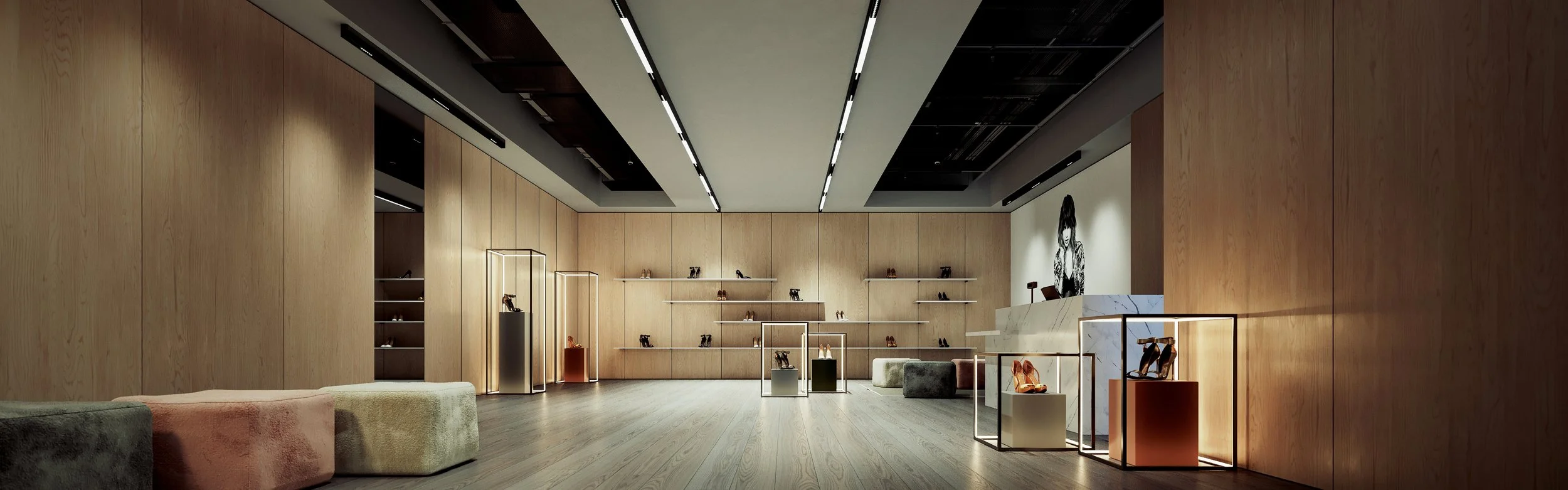
Retail and hospitality benefit from lighting that supports atmosphere and presentation.
Simplified daily operation
Clear scenes and modes reduce confusion and stop staff from “guessing” switches.
Scalable and future-ready
A designed system can grow with changes in tenancy, space reconfigurations, and new requirements.
Our process
Discovery and site assessment
Understand space usage, operating hours, pain points, and desired outcomes.
Design and zoning
Define lighting zones, scene requirements, sensor strategy, and control interfaces.
Installation
Clean cabling, tidy fit-off, and professional finishing aligned with the environment.
Commissioning and tuning
Scene refinement, sensor tuning, schedule setup, and real-world validation.
Handover and support
Staff guidance, documentation, and ongoing support options.
Where lighting control delivers the most impact
Reception and lobby spaces
Boardrooms and meeting rooms
Open-plan offices and breakout areas
Bathrooms, corridors, and stairwells
Retail floor areas and feature displays
Hospitality zones and function spaces
Back-of-house and storage areas
FAQ
What’s the difference between standard lighting and smart lighting control?
Standard lighting is typically manual switching with limited zoning. Smart lighting control adds scenes, scheduling, sensors, and centralised management so lighting is consistent, efficient, and easy to operate.
Can lighting automatically turn off after hours?
Yes. Scheduling and occupancy sensing can reduce waste and ensure lights are not left on overnight.
Will sensors annoy staff by turning lights off while people are working?
Not when designed properly. We tune sensor placement and timeouts to match how spaces are actually used.
Can lighting integrate with meeting room AV or room modes?
Yes. Boardroom and meeting room scenes can be linked to AV modes like Presentation or Video Call so the room feels consistent.
Can you upgrade lighting control without replacing every light fitting?
In many cases, yes. The best approach depends on existing wiring, fittings, and the desired outcome. We can assess and recommend a practical upgrade path.
Do you work with landlords, builders, and property managers?
Yes. We regularly coordinate with project teams for fit-outs, refurbishments, and multi-tenant environments.
Do you provide ongoing support?
Yes. We can support changes to schedules, scenes, tenancy layouts, and ongoing system maintenance.