

CAD Drafting and Documentation
Clear plans. Clean installs. Reliable longterm outcomes.
In a premium home, technology needs to be planned properly and installed cleanly. That only happens when everyone on site is working from clear, coordinated documentation.
Our CAD drafting and documentation service supports residential home automation projects from early design through to final commissioning. We produce accurate, build-ready drawings and system documentation that reduce site confusion, prevent costly rework, and make future servicing and upgrades far easier.
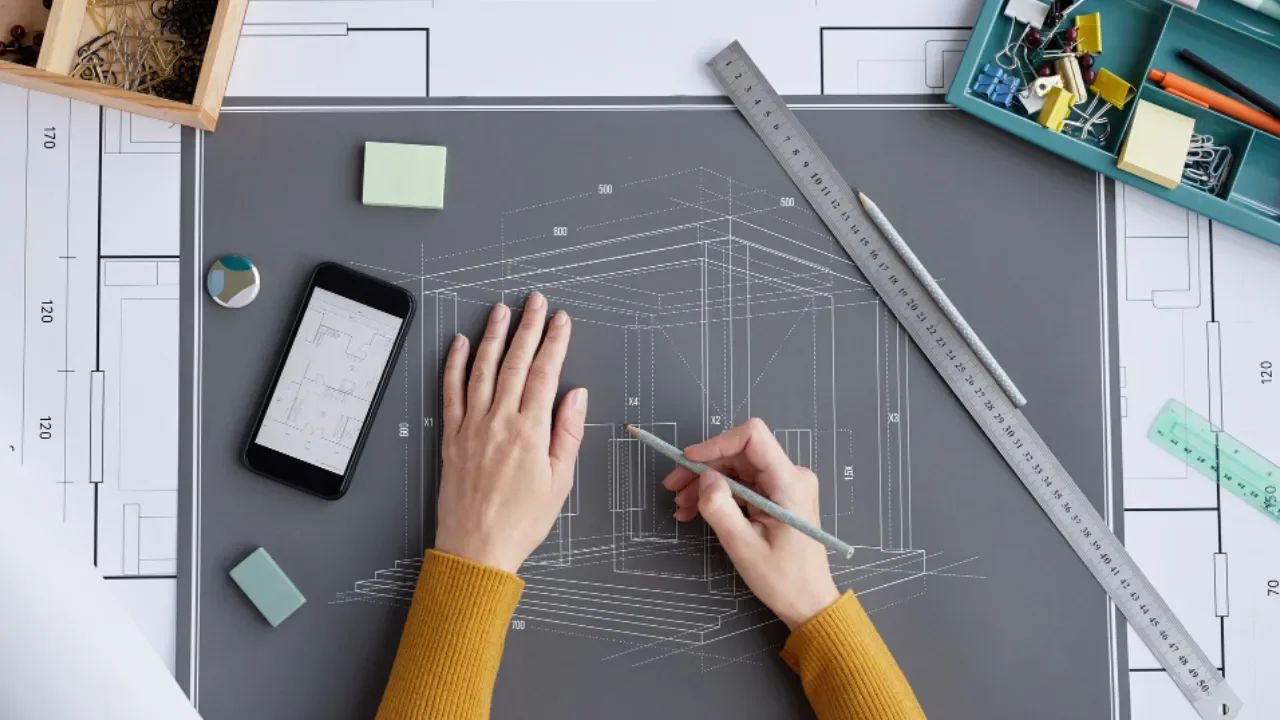

What is CAD drafting and documentation in a smart home project?
CAD drafting is the process of turning a technological design into accurate drawings that builders, electricians, and installers can follow on-site. Documentation is everything that supports the system long-term, including what was installed, where it is, how it’s connected, and how it’s meant to operate.
Depending on your project scope, this can include:
Technology layouts and placement plans
Structured cabling and infrastructure drawings
Rack/cabinet layouts and equipment schedules
Schematics for system connectivity
Commissioning and as-built documentation after installation
What we document for residential projects
Our CAD and documentation commonly covers the systems found in modern smart homes, including:
Lighting control (keypad locations, control zones, load schedules)
Window treatments (motor locations, power and control allowances)
Audiovisual systems (TV points, speaker layouts, theatre plans)
Wireless and wired networking (access point placement, data outlets, backbone cabling)
CCTV systems (camera locations, coverage intent, cabling paths)
Access control (gates/doors, keypads, intercom locations, cabling requirements)
Central equipment locations (racks, comms cupboards, ventilation and power planning)
Everything is tailored to the home’s architecture and the way the build is being delivered.
Why proper documentation matters
Fewer mistakes on site
Clear drawings mean trades don’t have to guess, which reduces errors, delays, and expensive changes.
Better alignment with the architectural and interior design
We coordinate placements so speakers, keypads, cameras, and screens sit where they should — discreet and intentional.
Faster installation and smoother project delivery
When the plan is clear, installation is more efficient, and commissioning is cleaner.
Easier servicing and future upgrades
Accurate as-builts and documentation mean the system is maintainable long-term, especially important in premium homes.
Consistency across trades
Documentation creates a single source of truth that everyone can work from.
Typical deliverables (project-dependent)
CAD floor plan overlays for technology placements
Reflected ceiling coordination notes (where relevant)
Structured cabling plans and outlet schedules
Device placement plans (keypads, access points, cameras, speakers, TVs)
Rack/cabinet layout documentation
System diagrams/connectivity schematics
As-built drawings after installation
Handover documentation to support ongoing service
Our process
Design review: architecture, electrical plans, and technology requirements
Drafting and coordination: placements, cabling pathways, and trade alignment
Issue build-ready drawings: clear plans for site execution
Site updates: revisions as the build evolves
As-builts and handover: final documentation reflecting what was installed
FAQ
Do you provide as-built documentation after installation?
Yes — where included in scope. As-builts are highly valuable for future servicing and upgrades.
Can you work with architects, interior designers, and builders?
Absolutely. Documentation works best when it’s coordinated early with the wider design team.
Is this only for full home automation projects?
Not necessarily. CAD documentation can be provided for specific systems (AV, networking, CCTV, etc.), depending on what you need.