

Environmental Automation
Smarter buildings use less energy and run more smoothly
Environmental automation helps commercial buildings reduce energy waste while improving comfort and consistency. It’s the difference between a building that relies on people remembering switches and settings and a building that responds automatically to occupancy, daylight, schedules, and real-world use.
At the heart of environmental automation is automated lighting control. While it can cost more upfront than conventional switching, it can pay for itself by managing one of the largest electricity users in commercial buildings: lighting. Done properly, it reduces wasted runtime, improves usability for staff, and supports greener building outcomes.
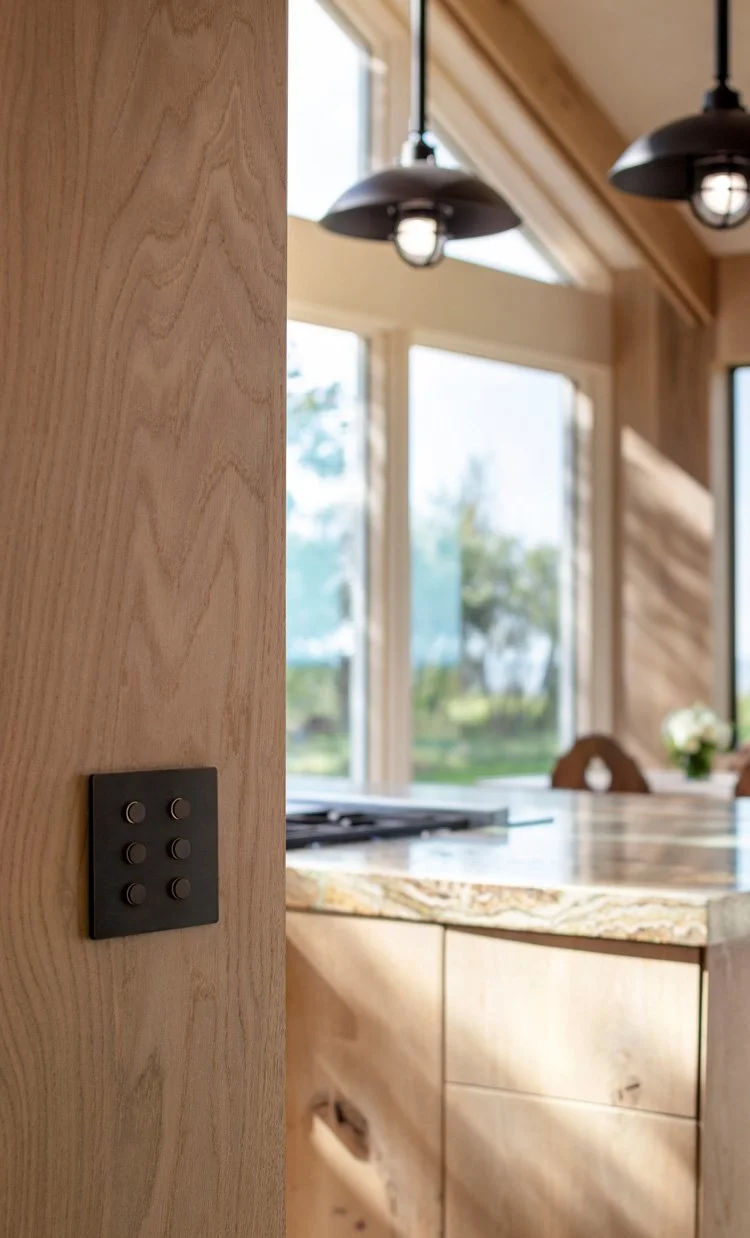

What is Environmental Automation?
Environmental automation is the intelligent control of building “environment” systems, such as lighting, and in some cases, related services like shading and HVAC coordination. The goal is to automate energy-heavy systems, so they operate only when needed and at the right levels.
Typical outcomes include:
Lights turning on only when spaces are used
Lighting levels adapting to natural daylight
After-hours shutdown routines that prevent energy waste
Simple “modes” for staff: Open, Closed, Cleaning, Event
Consistent comfort and operation across areas and floors
Automated Lighting Control
Lighting is often one of the biggest controllable electricity loads in commercial buildings. Automated lighting controls can reduce waste by using:
Occupancy and vacancy sensing
Lights respond to real use, not assumptions. Ideal for:
Offices and meeting rooms
Bathrooms, corridors, stairwells
Back-of-house and storage areas
Scheduling and time-based control
Set operating hours and after-hours rules that:
Turn lights off automatically
Support cleaning and security schedules
Reduce “lights left on overnight” energy waste
Daylight harvesting
Where appropriate, lighting output can be adjusted based on natural light, maintaining consistent levels while reducing power use.
Zoning and scene control
Define zones that match how spaces operate:
Reception, open-plan, meeting rooms, breakout zones
Event or presentation scenes
Consistent experience for staff and visitors
Why businesses invest in environmental automation
Reduced energy costs
Lighting is a major electricity user in many commercial buildings. Automation reduces wasted runtime and unnecessary full-output lighting.
Faster payback than many upgrades
While automated lighting controls cost more upfront than basic switching, they can pay for themselves by managing energy use over time.
Better staff experience
Spaces behave predictably. Less “switch hunting,” fewer complaints, and easier daily operation.
Improved building presentation
Consistent lighting makes spaces look better, especially reception areas, retail floors, and hospitality environments.
Supports sustainability goals
Environmental automation can align with ESG targets and green building goals by reducing waste and improving operational efficiency.
What we deliver
We tailor environmental automation to the building, tenancy, and operating model. Services can include:
Environmental automation and lighting control design
Zoning strategy, sensor placement, and schedule planning
Installation, commissioning, and tuning
Integration with meeting rooms and operational modes where appropriate
Documentation, handover, and ongoing support options
Our process
Discovery and site assessment
Understand how the building is used, operating hours, pain points, and energy priorities.
Design and automation strategy
Zoning, sensing, schedules, and control workflows.
Installation and commissioning
Clean implementation with tuning to reduce nuisance behaviours and false triggers.
Validation and handover
Ensure the system performs in real-world conditions, then train key staff.
Ongoing optimisation (optional)
Refine schedules and settings as usage patterns change.
FAQ
What systems are included in environmental automation?
Most commonly it focuses on automated lighting control, and can also include related systems such as shading and HVAC coordination where appropriate.
Why is lighting automation considered one of the best energy-saving upgrades?
Because lighting is often one of the largest electricity loads in commercial buildings. Automation reduces wasted runtime and over-lighting, which can deliver measurable savings.
Will sensors annoy staff by turning lights off too quickly?
Not when designed properly. Sensor placement and timeouts are tuned to match real usage so the system feels natural, not disruptive.
Can you automate after-hours shutdown so lights aren’t left on overnight?
Yes. Scheduling is one of the simplest ways to reduce waste and improve consistency across a building.
Can lighting levels adjust automatically when there’s lots of daylight?
Yes, in suitable areas. Daylight harvesting can maintain consistent light levels while reducing power use.
Can environmental automation be added to an existing building?
In many cases, yes. The best approach depends on existing wiring, lighting types, and the desired level of control. We can assess and recommend a practical upgrade path.
Do you provide ongoing support after installation?
Yes. We can support ongoing optimisation, schedule changes, and maintenance as building use evolves.